This variety has been enrolled in the National Register of Varieties since 2009.
Rossorubino variety
It was obtained by a selection within local varieties of emmer wheat in central Apennines.
Variety of alternative habitus (it does not require cold accumulation to mature, therefore the autumn-winter seasons sowing is not necessary), its plant is upright at the end of tillering phase, its culms and leaves are thin, its foliar sheaths and its auricles are pigmented.
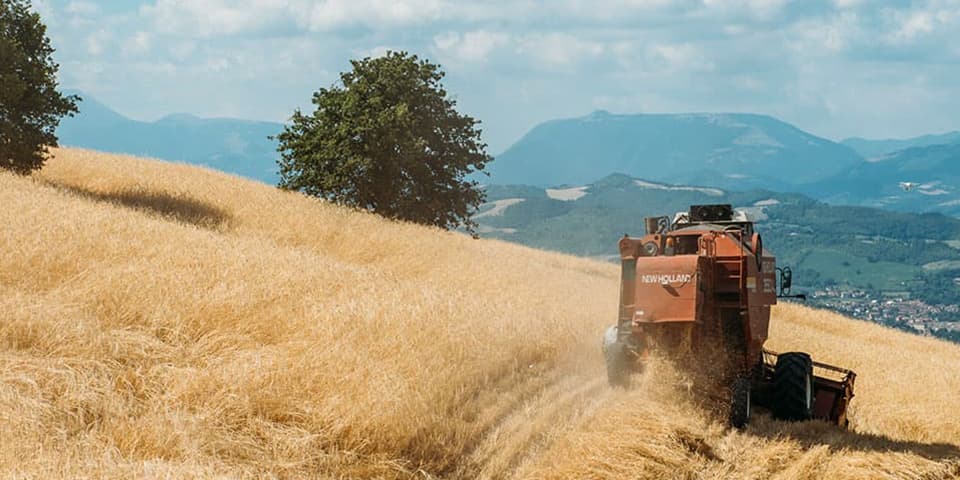
This variety is suitable for late winter sowings in mountainous areas, where winters are very harsh. Autumn sowings are possible up to 500-600 meters above sea level, where winters are milder.
The sowing
Recommended sowing density: 300-350 germinable seeds per square meter (about 120-140 kg / ha of hulled grain), using a sowing in stripes.
Manuring is reduced or absent. However, the presence of small quantities of nitrogen (from organic substances in the soil, from leguminous as previous crop) during the final phase of the cycle favors the obtaining of vitreous rift grains and, therefore, better semolinas for pasta making.
The plant
Medium size, medium-early cycle
The spike
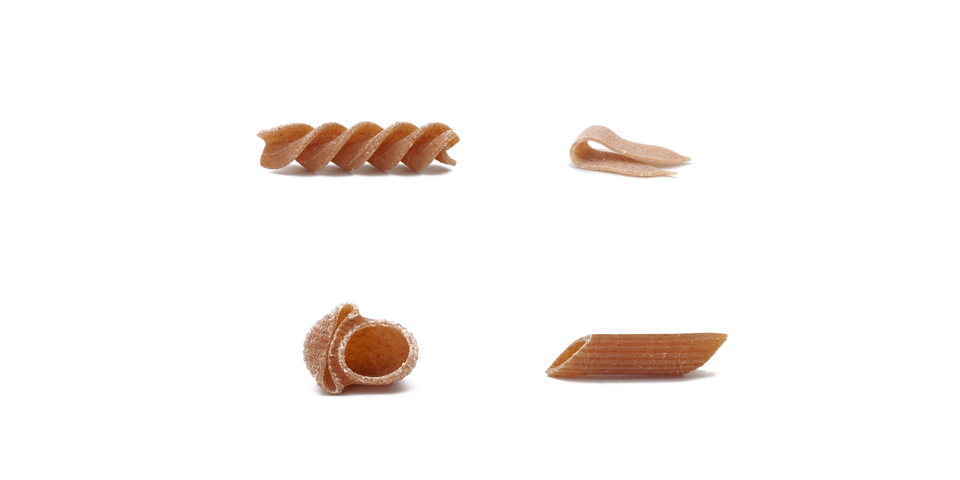
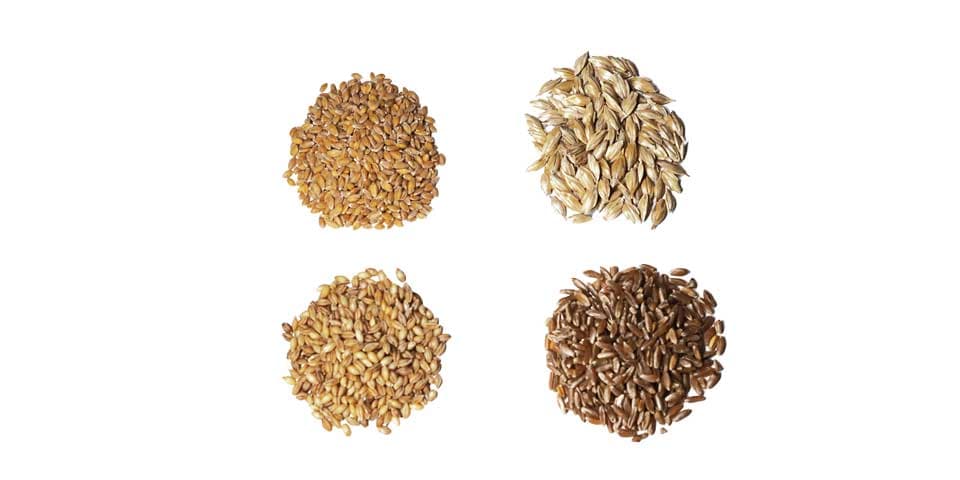
Medium-small caryopsis (30-34 mg), a thick fluff at the tip, vitreous rift. It is suitable for the production of broken grain (tritello), flours and semolinas for pasta making.
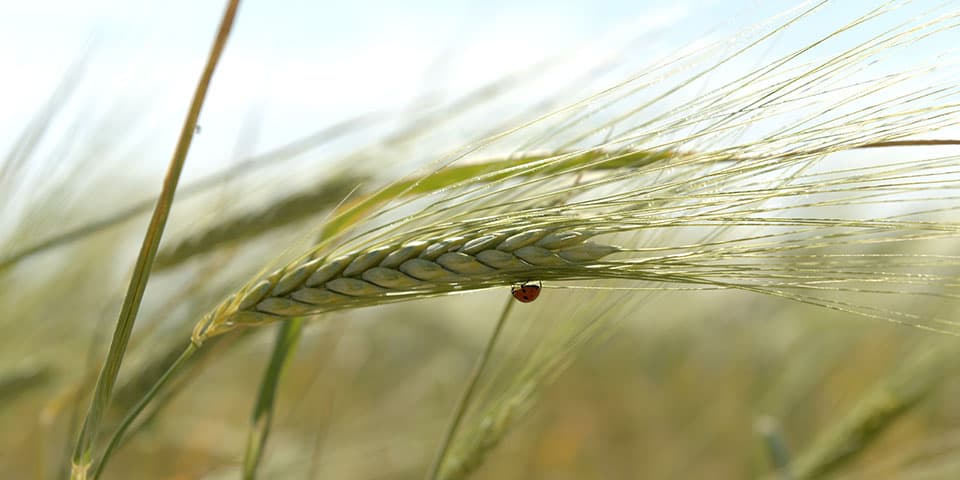
Its spike is small, short, compact, and red during maturation phase; its awns are short, weakly open wide from the axis of the spike.